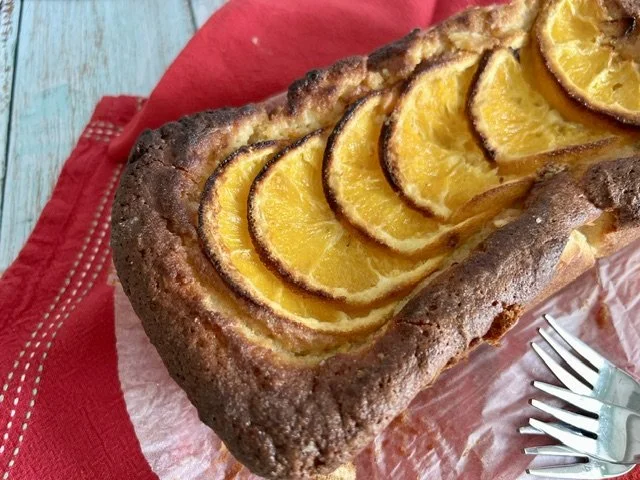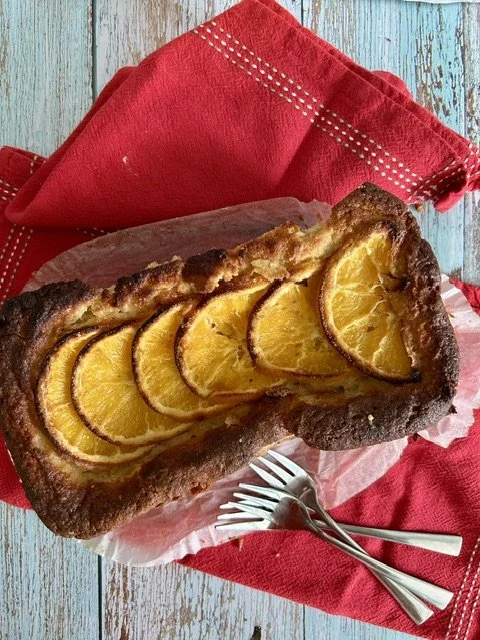
Orange & Ricotta Loaf Cake - A Glutton Free Cake
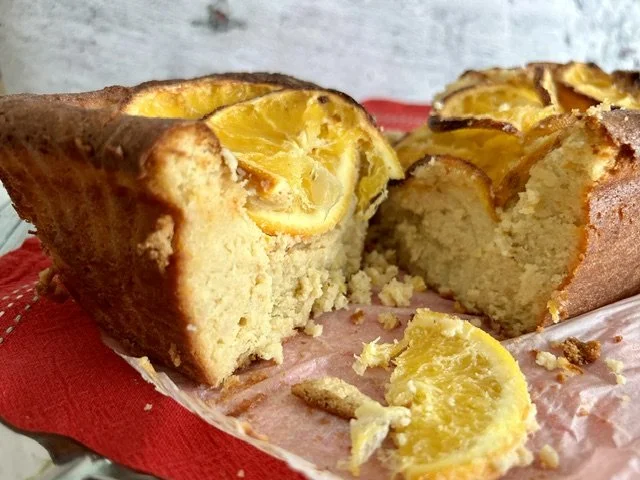
Who knew that just by the addition of ricotta to a cake batter and changing traditional flour for almond meal (almond flour/ground almonds) what comes out of the oven is a cake dark brown around the edges with a super soft and moist inside.
There are lots of lemon and ricotta cake recipes out in the world, but if I have to choose a citrus, orange every time for me.
Adding a citrus to a cake batter is really genius. Something magical happens when citrus juice is mixed into a batter before baking. It produces an incredibly moist cake, and when added to the ricotta, well, you’ll see for yourself once you cut into it how rich, soft and moreish it is.
Go on, give it a go and enjoy your sweet life!
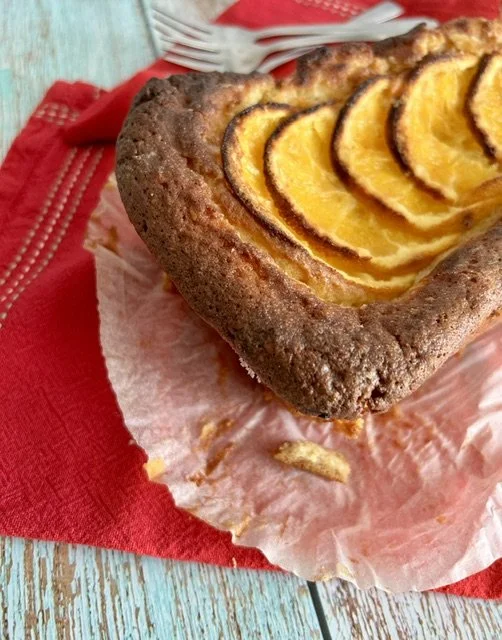
Orange & Ricotta Loaf Cake - A Glutton Free Cake
What You Need
250g Ricotta
250g Almond Flour
220g Castor Sugar
100g Cooking Margarine – See Tip Box
4 Large Eggs
Zest of 3 Large Oranges
1 tsp Vanilla Extract
Orange Glaze
60g Castor Sugar
3 tbsp Orange Juice
How it’s Done
Grab a 2lb loaf tin and prepare it by completely lining it with non-stick baking parchment (all sides and bottom of the tin)– See Tip Box
Set the tin aside until needed
Heat the oven to 180c
Zest the three large oranges onto a small plate and set the whole oranges aside until needed later.
Half the castor sugar used for the cake batter, setting one half aside for later.
Add one half of the castor sugar to the bowl of an electric mixer with a beater attachment.
Add the orange zest to the sugar and on a slow to medium speed, let it run for about 1 minute, so that the sugar becomes orange and becomes infused with the orange.
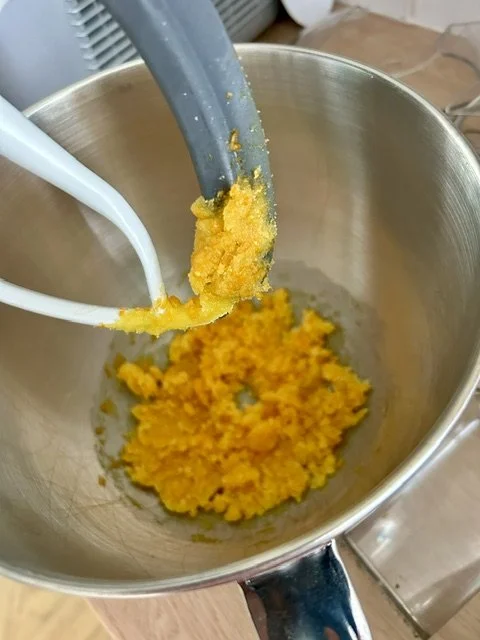
Add the margarine and vanilla to the sugar and beat for three minutes, scraping down the sides a few times.
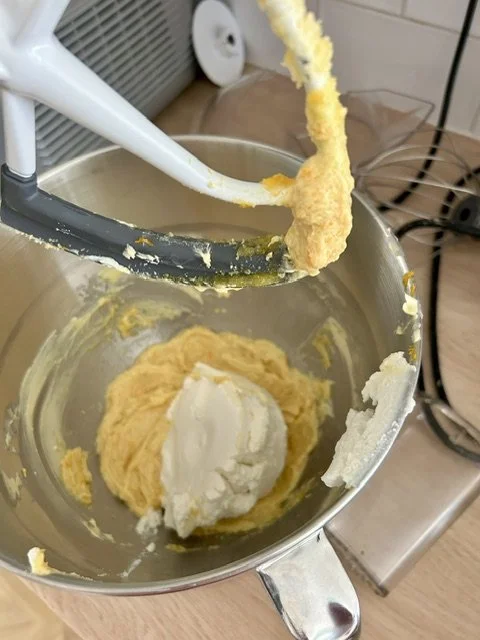
Add the ricotta and once again beat for around 3 minutes scraping down the sides of the bowl a few times.
Separate the eggs by separating the yolks from the whites.
Set aside the egg whites until needed.
Add the egg yolks to the bowl and beat for around another 3 minutes, scraping down the sides of the bowl a few times.
Add the almond flour, and using a large metal spoon or a spatula, fold it in to the mixture. Make sure not to over mix at this stage – See Tip Box
In a separate and perfectly clean and dried bowl, add the egg whites and with whisk attachments, beat the eggs until they are at stiff peaks and the bowl can be held upside down without the batter falling out.
Add the remaining castor sugar to the egg whites, 1 tbsp at a time, whisking well after each addition.
Once the sugar is added, keep whisking until the sugar is completely mixed in and the meringue now has a beautiful sheen to it.
Don’t rush this part.
Once at this stage, add the egg whites (meringue) to the bowl containing the batter, and once again, very gently fold it in until just combined – Don’t over mix.
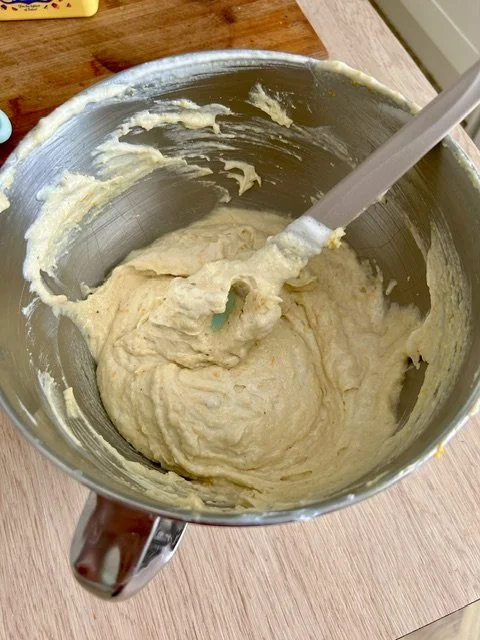
Pour the batter into the prepared tin and let it settle so that the batter is relatively smooth.
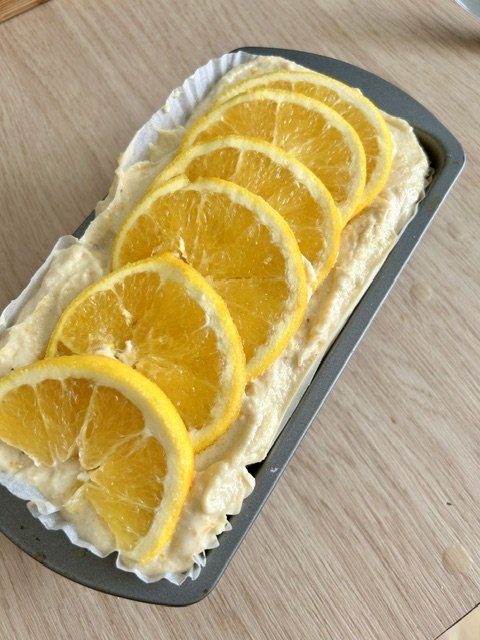
Slice one of the zested oranges very thinly and arrange slices of the orange on top of the batter.
Put the tin into the hot oven and bake for 60-70 minutes until the edge are a dark golden, the orange slices are caramelised and a toothpick inserted into the centre comes out clean.
While the cake is baking, make the orange syrup.
In a small cup mix the orange juice and castor sugar together, stirring until the sugar is fully mixed in. Set it aside until the cake is out of the oven.
Once the cake is removed from the oven, keep it in the tin and let it sit for 5 minutes.
While the cake is still hot, drizzle the orange syrup all over the top of the cake and let the cake cool completely before removing it from the tin.
Serve at room temperature, and store for a couple of days in an airtight container in the fridge.
Tip Box
Margarine – I always use a cooking margarine for cakes. I feel that it keeps the batter lighter than when I use butter. But if butter is more your thing, use that instead.
Preparing the tin – For a bit of a cheat, when I’m making loaf cakes, I use ready bought baking parchment tin liners. But there are often times when i run out and have to make my own. I just cut out a piece of non-stick baking parchment to fit the bottom, and a thick strip that fits all the way around the sides of the tin, and once the batter is pour in, the parchment works perfectly.
Folding in – Folding in an ingredient should be done with a light hand, and the folding in should always stop just when the ingredient is incorporated and no more in order to avoid a tough tasting finished cake.